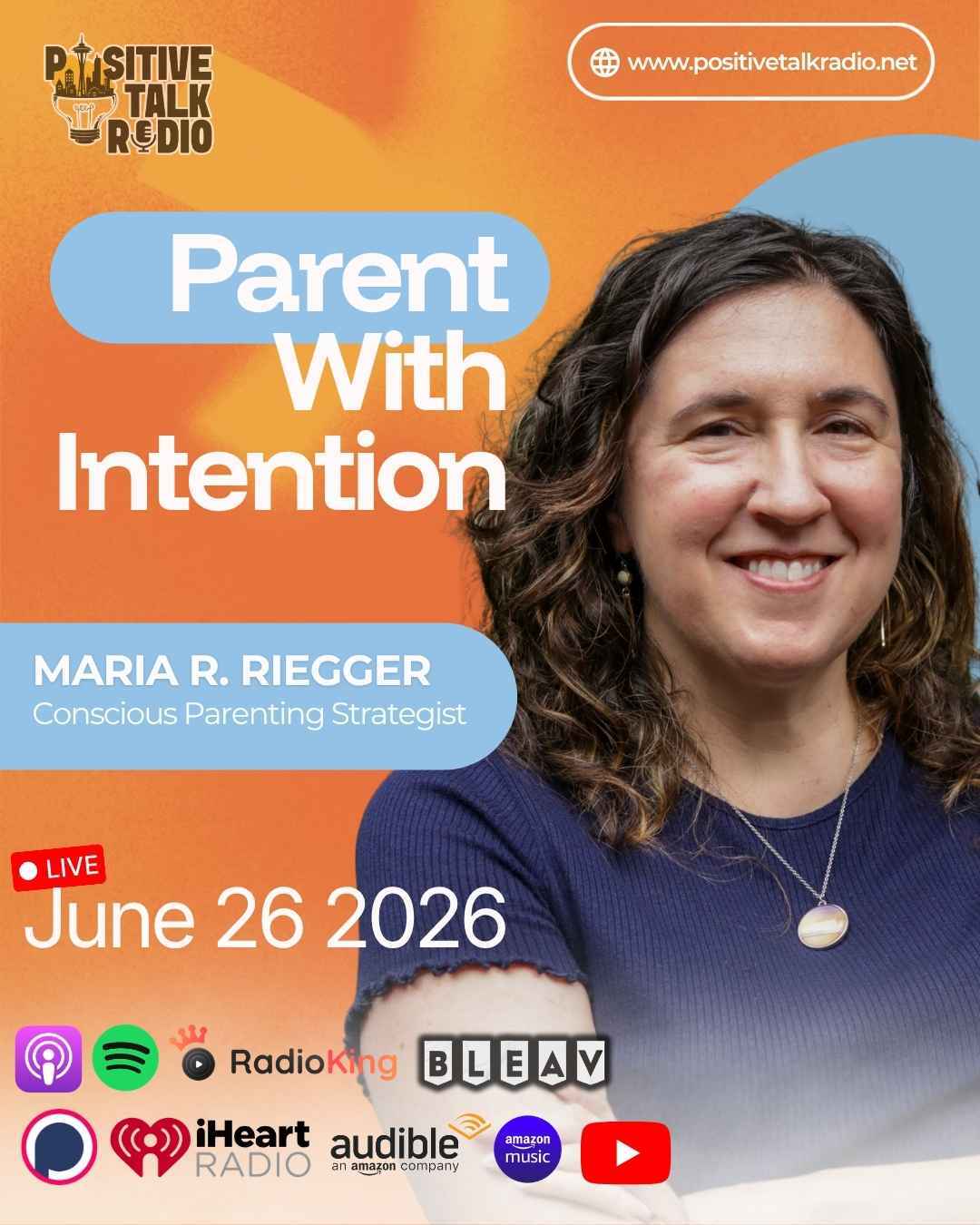

By Maria R. Riegger, Attorney and Certified Trauma-Informed Parenting Coach
When we think about isolation in an abusive relationship, we often picture an abuser who explicitly forbids their partner from seeing friends, visiting family, going to work, or maintaining relationships outside the home. Sometimes the abuser monitors phone calls, restricts travel, or becomes angry when their partner makes social plans.
But there is another, more insidious form of isolation that is far more difficult to recognize and, from a legal perspective, far more difficult to prove.
I call it constructive isolation.
Constructive isolation occurs when an abusive partner creates so much emotional turmoil, exhaustion, and chaos that the victim gradually withdraws from friends, family, and social activities. Not because the abuser explicitly prohibits those relationships, but because the victim simply has nothing left to give.
I know, because this happened to me.
The victim is technically free to leave the house, attend social gatherings, or spend time with loved ones. But in practice, the victim is too emotionally and physically depleted to do so.
And that is precisely what makes this form of abuse so difficult to identify.
The Exhaustion Is the Mechanism of Control
In relationships characterized by constructive isolation, the victim often spends an extraordinary amount of time managing the abuser’s emotions, resolving crises, anticipating problems, and attempting to maintain peace in the household.
There is always something wrong. Another argument. Another manufactured crisis. Another emotional outburst. Another problem that the victim must solve.
The victim becomes the household’s emotional manager, problem solver, and crisis negotiator.
And the work never ends.
The abuser may also engage in behaviors that systematically deprive the victim of rest and recovery. These behaviors can include:
- Initiating heated arguments just before bedtime, leaving the victim emotionally activated and unable to sleep.
- Making excessive noise or deliberately interrupting the victim’s sleep.
- Engaging in lengthy, circular monologues or angry rants that demand the victim’s attention for hours.
- Creating chaos around birthdays, holidays, vacations, and other special occasions that should otherwise provide joy and connection.
- Manufacturing problems that require the victim to abandon personal plans or devote substantial time and energy to managing the abuser’s behavior.
- Keeping the victim in a perpetual state of uncertainty, never knowing when the next crisis or confrontation will occur.
Over time, these experiences take a tremendous toll.
The victim may begin declining invitations, canceling plans, ignoring phone calls, or spending weekends at home recovering from the emotional demands of the relationship.
Friends and family may notice the withdrawal but misunderstand its cause. They may assume the victim has become antisocial, depressed, or uninterested in maintaining relationships. Worst of all, loved ones may withdraw entirely, leaving the victim with no support network.
And the victim often blames herself.
What appears to be a voluntary withdrawal from social life may actually be the predictable consequence of living in an environment of chronic emotional instability.
The abuser does not need to say, “You cannot see your friends,” when the victim is too exhausted to see them anyway.
Constructive Isolation is Invisible
One of the most troubling aspects of constructive isolation is that the abuser can maintain the appearance of being a supportive partner.
The abuser might say:
“Of course you can go out with your friends.”
“I’ve never stopped you from seeing your family.”
“You never want to do anything anymore.”
“You’re always tired. What’s wrong with you?”
Or, what my ex said to me: “You never go anywhere!”
These statements may sound reasonable to someone unfamiliar with the dynamics of the relationship.
But they ignore the reality that the victim has spent the preceding days or weeks managing the abuser’s outbursts, coping with disrupted sleep, resolving unnecessary crises, or recovering from emotionally exhausting arguments.
The abuser’s words communicate freedom, while the abuser’s behavior creates conditions that make exercising that freedom increasingly difficult.
Control does not always operate through explicit prohibitions. Sometimes it operates by systematically depleting the victim’s capacity to make independent choices.
And because there may be no direct threats, physical violence, or overt restrictions on social contact, the abuse can remain virtually invisible to outsiders.
When Something Feels Wrong: Your Intuition is Warning You
One of the earliest indicators of constructive isolation may be a persistent, intuitive feeling that something is wrong, even when the victim cannot explain precisely what is happening.
The victim may recognize that she is constantly exhausted, overwhelmed, or anxious, yet struggle to identify why. She may wonder why ordinary responsibilities suddenly feel unmanageable, why she no longer enjoys activities she once loved, or why spending time with friends feels like another obligation rather than a source of connection.
This confusion is often compounded by cognitive dissonance: the psychological discomfort that arises when a person’s experiences and observations conflict with what they are being told or what they believe to be true.
The abuser says he supports her independence, yet his behavior repeatedly undermines her ability to exercise it. He says he wants her to be happy, yet birthdays and holidays consistently end in conflict. He insists that she is free to make her own choices, yet every attempt to do something for herself seems to trigger another crisis.
The victim is left trying to reconcile two contradictory realities: the abuser’s reassuring words and the harmful consequences of his actions.
She may question her own perceptions, minimize the behavior, or blame herself for feeling overwhelmed.
As a certified trauma-informed parenting coach, I encourage individuals to pay attention to this internal discomfort. Our nervous systems often register patterns of unpredictability and threat before we can consciously articulate what is happening. That intuitive sense that something is off is not, by itself, proof of abuse, but it is important information worth paying attention to.
When someone’s words consistently promise safety, freedom, or support, but their actions repeatedly leave you depleted, confused, and isolated, pay attention to the pattern, not the promises.
Why Constructive Isolation Is Difficult to Prove in Court
As an attorney, I recognize that constructive isolation presents particularly significant evidentiary challenges in family law litigation and protective order proceedings.
Courts are accustomed to evaluating identifiable conduct: threats, physical assaults, harassment, stalking, explicit restrictions, and other actions that can be documented and connected to applicable legal standards.
Constructive isolation, however, frequently involves a cumulative pattern of behavior that may appear innocuous when individual incidents are examined in isolation.
One argument before bedtime may look like an ordinary marital disagreement. A ruined birthday may appear to be an unfortunate family conflict. A partner’s lengthy rant may be characterized as poor communication. A series of unnecessary crises may be dismissed as ordinary household stress.
Yet the cumulative effect of these behaviors can be devastating.
The victim may have endured hundreds of incidents that, taken together, demonstrate a sustained pattern of coercive or emotionally abusive behavior. But when those incidents are separated from their broader context, the pattern becomes difficult to establish.
This creates a particularly challenging situation for victims seeking legal protection.
The abuser may credibly claim that he never prohibited social contact, restricted movement, or prevented the victim from leaving the home.
And technically, that may be true.
But the absence of an explicit prohibition does not necessarily mean the absence of coercive control.
The challenge is demonstrating how the abuser’s repeated conduct undermined the victim’s autonomy and ability to participate in ordinary life.
Importantly, not every emotionally abusive behavior satisfies the legal requirements for a protective order, and those requirements vary by jurisdiction. Evidence of a coercive pattern may be relevant to family law proceedings without independently establishing grounds for protective relief.
This is why understanding and documenting the cumulative pattern matters so much.
The Impact on the Victim—and on Children
From a trauma-informed perspective, prolonged exposure to emotional volatility and sleep disruption can place substantial demands on the nervous system.
When a person spends much of her time anticipating conflict, managing another adult’s emotions, or trying to prevent the next crisis, her capacity for rest, connection, and enjoyment are reduced.
Social withdrawal can become a form of self-preservation.
The victim may stay home because home is where she can finally rest, at least temporarily. She may avoid making plans because she cannot predict whether another argument or crisis will leave her unable to follow through.
What looks like isolation by choice may actually be an attempt to conserve the limited emotional and physical resources she has left.
For parents, the consequences can extend beyond the intimate relationship.
A parent who is chronically exhausted may have less energy for play, emotional connection, social outings, and the ordinary joys of raising children. Children may also witness the tension, unpredictability, or emotional volatility that characterizes the household.
This does not mean the victimized parent is failing her children.
It means that the abusive dynamics may be consuming resources that should be available for the parent’s own well-being and for family life.
Recognizing these dynamics is an important step toward interrupting them.
How to Recognize the Pattern and Reclaim Your Agency
If you suspect that you are experiencing constructive isolation, one of the most empowering things you can do is begin documenting what is happening.
Keep a private, contemporaneous journal of the behaviors that leave you exhausted, overwhelmed, or unable to participate in your own life.
Record each incident as specifically and factually as possible. Include the date, what happened, what was said or done, how long the incident lasted, and its effect on your sleep, emotional well-being, work, parenting, or social activities.
For example, document when an argument begins immediately before bedtime and keeps you awake for hours. Record occasions when you must abandon personal plans to resolve a crisis created by your partner. Note when special occasions are disrupted by conflict, or when prolonged rants leave you too depleted to engage with others.
If you cancel plans with a friend because you were awake half the night managing your partner’s behavior, record it.
Over time, your journal may reveal patterns that are difficult to recognize while you are living through them.
This process is valuable not only because contemporaneous documentation may assist in future legal proceedings, but because it can help you begin trusting your own observations.
Be mindful of your safety when documenting abuse. If your partner monitors your devices or belongings, consider whether maintaining a journal could place you at risk, and seek advice about safer ways to preserve information.
You may also benefit from speaking with a therapist who has meaningful training and experience in domestic abuse, coercive control, and trauma.
However, be highly selective when choosing a therapist.
Not every mental health professional understands the dynamics of psychological abuse. Some may mistakenly characterize coercive behavior as ordinary relationship conflict, encourage inappropriate mutual accountability, or fail to recognize the power imbalance within an abusive relationship.
In some circumstances, these failures can further confuse or harm the victim.
The ways in which therapists sometimes fail domestic abuse survivors deserve a separate discussion, and I will address that subject in another article.
For now, the important point is to seek professionals who understand coercive control, recognize patterns rather than isolated incidents, and prioritize your safety and autonomy.
You Do Not Need Permission to Recognize What Is Happening
Perhaps the most important thing to understand about constructive isolation is that the absence of an explicit restriction does not make the resulting isolation any less harmful.
You do not need your partner to say, “You are not allowed to leave,” for your freedom to be meaningfully compromised.
You do not need a physical injury to recognize that repeated emotional turmoil is harming your well-being.
And you do not need to wait until every incident can be explained, categorized, or legally proven before taking your own experiences seriously.
Start by observing. Start by documenting. Start by noticing the difference between what your partner says and what your partner repeatedly does.
Ask yourself whether your world has become smaller over time. Whether you have stopped doing things you once enjoyed. Whether you spend more time managing your partner’s behavior than attending to your own needs. Whether your exhaustion is a temporary response to life’s ordinary demands, or the predictable result of a recurring pattern within your relationship.
And perhaps most importantly, ask yourself:
If I were not constantly managing this person’s behavior, how much more energy, freedom, and connection would I have in my life?
The answer may reveal something important.
Because sometimes isolation is not imposed through locked doors, direct threats, or explicit commands.
Sometimes it is accomplished by making the victim too exhausted to walk through the door in the first place.
And recognizing that pattern can be the beginning of reclaiming your autonomy.
Disclaimer: This article is provided for educational and informational purposes only and does not constitute legal advice, mental health treatment, or the establishment of an attorney-client relationship. The term “constructive isolation” is used here to describe a pattern of behavior; it is not presented as a separately established legal cause of action. Individuals experiencing domestic abuse should consult qualified professionals regarding their particular circumstances and safety.